
Author

Veronica Grosse, MS
2 articles
Veronica Grosse is a third-year psychology trainee getting her doctorate in Clinical Psychology in the Health Psychology concentration at Nova Southeastern University. She is originally from outside of Philadelphia, Pennsylvania, and got her bachelor's degree in psychology with a minor in education from University of San Diego in San Diego, California. She got her masters of science degree from Nova Southeastern University. Veronica completed her practicum at the Healthy Lifestyles Guided Self-Change clinic where she worked with substance use, tobacco cessation, sleep and insomnia, sports concerns, and motivation, and is currently at The Renfrew Center working with eating disorder populations. Veronica is a research assistant and graduate assistant at NSU under Dr. Diana Formoso where they focus on unaccompanied immigrant youth, where Veronica focuses her research efforts on health disparities within this population. Veronica works on the Interprofessional Diabetes Education and Awareness (IDEA) health team initiative at NSU focusing on education to the public about diabetes. She is on student government and is the president of the Graduate Organization for Partnership and Learning with Adolescents and Youths. Veronicas clinical interest include working with patients living with chronic and terminal health conditions. In her spare time, she loves to cook and be outdoors with her partner, as Veronica is an avid nature lover and life-long surfer.

Psychological Considerations of Pediatric Cystic Fibrosis
Cystic Fibrosis (CF) is the most common progressive, chronic, life-threatening genetic disorder. However, it is still rare. There are around 30,000 cases diagnosed in the United States (Ernst et al., 2011; Kerem et al., 2005). There is no known cure for CF, however, it is common for patients with CF to live into their 30’s. […]
Veronica Grosse, MS
May 9, 2021
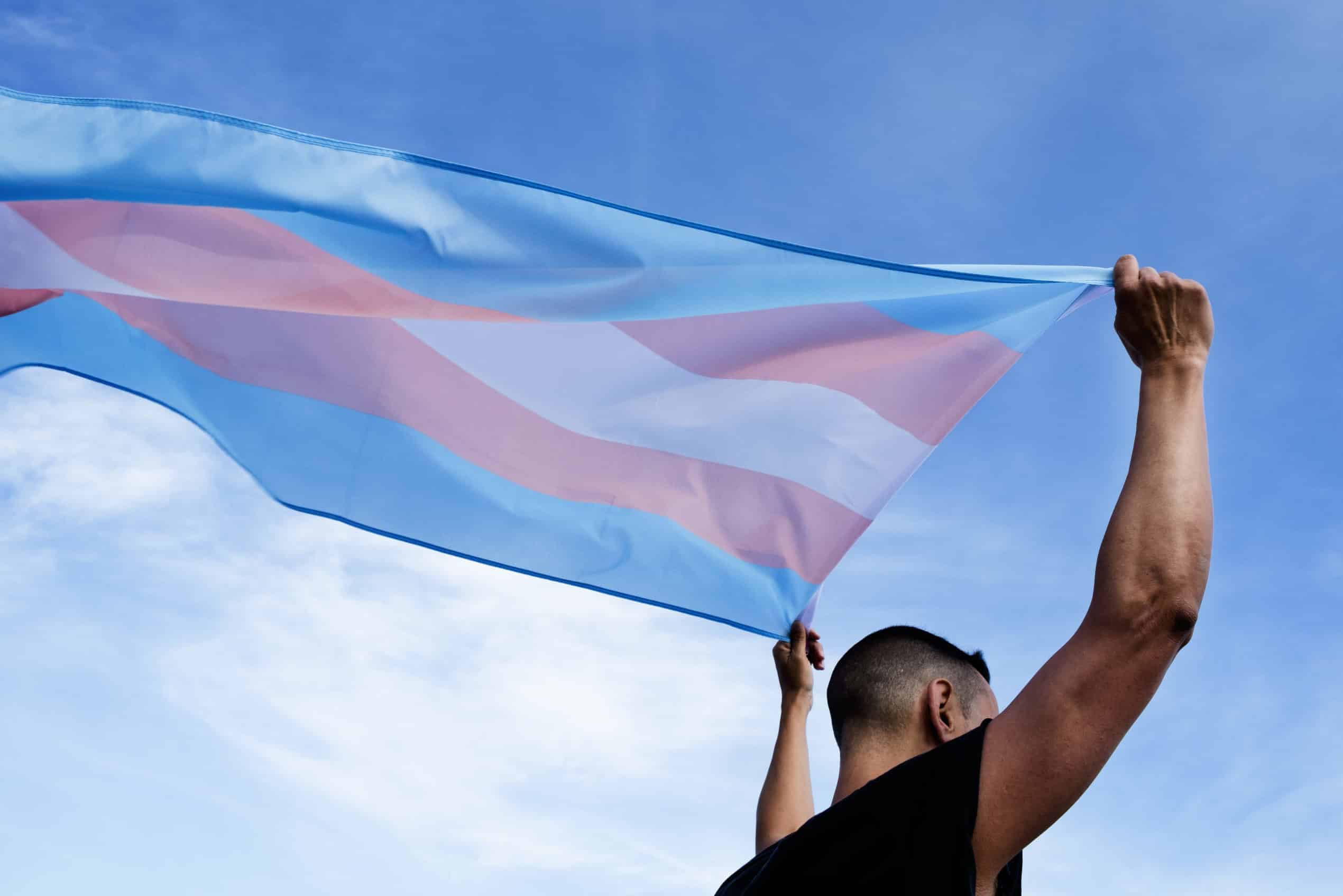
Transgender Youths and Eating Disorders
Stereotypes of eating disorders perpetuate common misconceptions regarding who may be at risk for their development. The stigma of disordered eating is that it only affects young, White, cisgender, high socioeconomic status (SES) women. As researchers and clinicians continue to challenge the stigmas associated with eating disorder pathology, it is increasingly evident eating disorders do […]
Veronica Grosse, MS
January 24, 2021