
A Call to Broaden Our Reach
Psychotherapy has a long and rich history (Norcross et al., 2011). From some of its early origins in hypnosis to the evidence-based practices that are common today, the field has evolved. And through nearly a century of psychotherapy research, we can now unequivocally declare that psychotherapy is an effective intervention for most mental health concerns and psychological distress (American Psychological Association, 2012; Barkham et al., 2021). What the field of psychotherapy has become today and the contributions that have been made by psychotherapists, psychotherapy researchers, and psychotherapy educators, are truly outstanding. We are having an impact!
It has been estimated that in the U.S. alone, roughly 35 million adults seek psychotherapy or counseling each year (Briones & Villarroel, 2026). That number has consistently been rising over the past two decades (Statista Research Department, 2026), and now, the number of adults who seek psychotherapy is nearing the number who take medications for mental health concerns (Briones & Villarroel, 2026). If psychotherapy is successful for just 65% (perhaps a conservative estimate) of those who seek it, that is still 23 million adults in the U.S. each year who see their lives improve because of our efforts. Definitely a reason to celebrate!
But, we cannot rest on our laurels just yet – there is more to be done. If 65% recover through psychotherapy, what about the 35% (roughly 12 million adults) who don’t? For most of my career, my efforts have focused on this question. As a researcher and educator, I have been keenly interested in improving the treatment that we offer. This is a puzzle that we, as a field, are slowly trying to put together. And for each client that I supervise, I am consistently asking what can my supervisee and I do, to tailor our intervention to make sure that this individual is one of the 65%. I am confident that this is a common goal for all who practice psychotherapy—we are trying to help all who seek help have success.
However, even if, over time, we are collectively able to improve the psychotherapy recovery rates, there is still a substantial portion of the population that we are missing. Although 35 million adults may be seeking psychotherapy each year, it is estimated that 61.5 million adults in the U.S. experience a diagnosable mental health disorder during the same time frame (National Alliance on Mental Illness, 2026). That number does not count the additional millions who experience psychological distress that perhaps does not meet criteria for a diagnosis. And that is in the United States alone. So, there is still a substantial gap between the sum of people who could potentially benefit from psychotherapy and who we are actually reaching.
This presidential column serves as a call to action – what can we do to broaden our reach and share our knowledge and expertise with those who could benefit from psychotherapy, but do not seek it out?
Years ago, when I first started contemplating this question, I believed that the solution was relatively simple—we needed to do a better job at advertising and normalizing psychotherapy. In other words, I thought the answer was to just get more people into treatment. Many have been working to do this over the years, and I believe their efforts are paying off. Although stigma toward psychotherapy may still exist, it is becoming more and more common for people to openly share about their experiences with help-seeking. And as a result, the rates of treatment use are going up (Briones & Villarroel, 2026; Statista Research Department, 2026). Public disclosures on social media may be playing a big role in these upward trends. But help-seeking stigma still exists (particularly for certain segments of the population) and access barriers still prevent many from getting the help that they desire. So, what else can be done?
I would like to share about two of my efforts to broaden my reach outside of the typical psychotherapy room. These activities have been particularly meaningful and rewarding to me, because they have brought variety to my career and have provided an opportunity to expand upon the effectiveness of the traditional research, teaching, and supervision work that I do. I know that these examples are not unique or particularly special, and I recognize that many throughout the field are engaging in similar, and perhaps even much larger, efforts. My hope is though, that by reading about these small examples, even more people will be inspired to think outside of the psychotherapy room to help those who are not seeking out treatment.
For the first example, about a decade ago I started participating in a program offered by my college called “Liberal Arts High.” For this program, university professors would visit high school classes and deliver lectures on their areas of expertise. The goal of the program was to improve college attendance rates in rural areas throughout the state of Idaho (if high school students could see that college professors are interesting and fun, they might be more likely to continue with their educational pursuits). As I thought about participating in this initiative, I decided that rather than just presenting lectures on random psychology topics, maybe I could use my psychotherapy expertise and deliver an educational interactive group intervention focused on anxiety—something that I figured most high schools students experience at some level. In giving these presentations, I have relied on principles from Acceptance and Commitment Therapy to teach high school students how to accept and allow anxiety reactions in their everyday lives. Overall, these mini-interventions have been a huge success. Over the past 10 years I have delivered about 60 of these presentations, reaching out to approximately 2,000 high school students. In addition, I have shared them with several other community groups, including church congregations and local clubs and organizations. This work has been engaging for me and has helped me realize that in my career, I can have an impact in many different ways beyond just the research, teaching, and supervision that I do.
The second example of broadening my reach grew out of the work that I do with training doctoral students. At Idaho State University I teach a course on Ethics and Professional Practice, that includes both graduate and undergraduate students in it. For the undergraduate students in particular, one of their favorite topics that we cover is self-care. So, after a few years of teaching the Ethics course, I decided to design an undergraduate course dedicated solely to self-care for students who wanted to go into the helping professions. But over time, I realized that students from many disciplines were enrolling. So, I decided to expand even more, and I adapted the course material to focus on self-care and well-being for everyone. This course now fills to capacity each semester, with 150 students from all years and many different majors enrolling in it. After a couple years teaching it though, I noticed that many of the students had reported in the course feedback that they often liked to share the material that I taught with their family and friends. So, in an effort to broaden even more, I put the material into an easily accessible general audience book (https://www.amazon.com/Becoming-Happy-Self-Care-Satisfaction-Well-Being-ebook/dp/B0D5W5R75R/) and turned the lectures into a podcast style format (https://www.youtube.com/@DrJoshuaSwift). Now, I have no expectation that my book is going to become a New York Times best seller or that the podcasts are going to turn me into a social media influencer, but they are allowing me to reach an audience outside of the traditional psychotherapy room.
These are just two examples of broadening our reach and the ones that work for you might be very different. The potential opportunities are endless though. So, in my last presidential column, my challenge to members of our division is to expand your impact. Be unique and creative and think about ways you can bring your psychotherapy knowledge and expertise to those who may never seek treatment.
About the Author
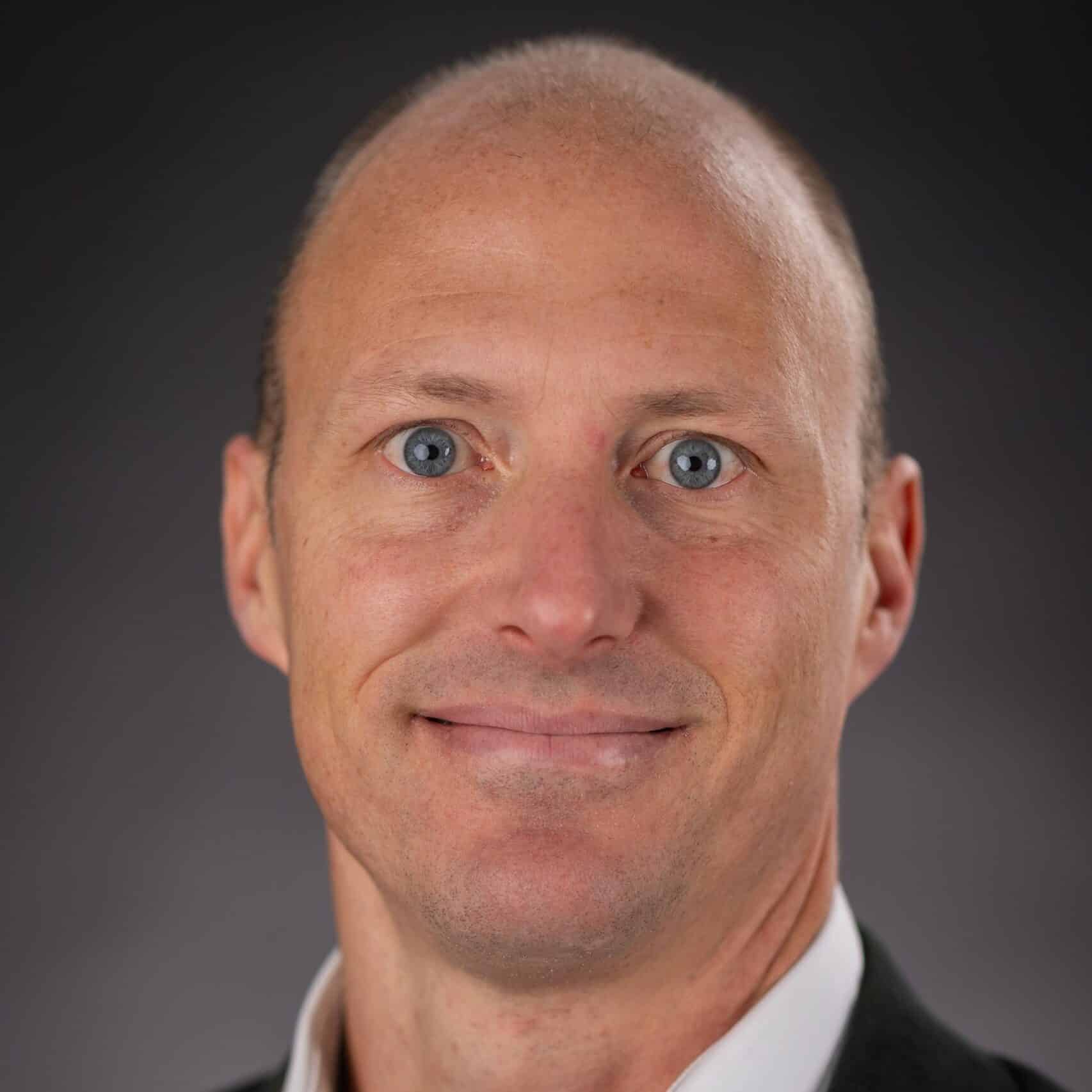
Joshua K. Swift, Ph.D.
Joshua K. Swift, Ph.D. is an Assistant Professor in the Department of Psychology at Idaho State University. He conducts psychotherapy process and outcome research, with a special focus on client factors (preferences and expectations) and premature termination. He is also a licensed psychologist.
Citation
References
American Psychological Association (2012). Recognition of psychotherapy effectiveness. Retrieved from https://www.apa.org/about/policy/resolution-psychotherapy
Barkham, M., Lutz, W., & Castonguay, L. G. (Eds.). (2021). Bergin and Garfield’s handbook of psychotherapy and behavior change (7th ed.). Wiley.
Briones, E. M., & Villarroel, M. A. (2026). Mental health treatment among adults: United States, 2024. NCHS Data Brief No. 564, June 2026. Retrieved from https://www.cdc.gov/nchs/products/databriefs/db564.htm
National Alliance on Mental Illness (2026). Mental health by the numbers. Retrieved from https://www.nami.org/mental-health-by-the-numbers/
Norcross, J. C., VandenBos, G. R., & Freedheim, D. K. (Eds.). (2011). History of psychotherapy: Continuity and change (2nd ed.). American Psychological Association. https://doi.org/10.1037/12353-000
Statista Research Department (2026). Number of U.S. adults who received mental health treatment or counseling in the past year from 2002 to 2025 (in millions). Retrieved from https://www.statista.com/statistics/794027/mental-health-treatment-counseling-past-year-us-adults/
Comments
Be the first to share your thoughts.
Leave a comment
Your email address will not be published. Comments are reviewed before they appear.