SAP Who’s Who: Stewart Cooper, PhD, ABPP

Society for the Advancement of Psychotherapy
December 6, 2024

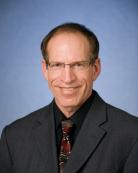
Who’s Who – Stewart Cooper, PhD, ABPP
Can you tell me about your educational background and professional experience?
I did all three of my degrees, a BA in Psychology, MA in Counseling, and PhD with concentrations in Counseling Psychology and Research Methodology, at Indiana University- Bloomington. My internship was somewhat innovative being split between the South-Central Community Mental Health Center in Bloomington and the Indiana University Counseling Center. My dissertation was based on the first Addictions Intensive Outpatient Program in the State of Indiana. Subsequent to completing my doctorate, I worked as a staff psychologist at the University of Missouri-Rolla campus for five years. I moved to NW Indiana to become Director of the Valparaiso University Counseling Services and a faculty member in the Psychology Department eventually reaching the rank of Full Professor. When I retired from Counseling Services, it was a multi-unit department with a counseling center, an alcohol and drug abuse prevention program, a sexual assault prevention program, and a suicide prevention program.
What inspired you to become a psychologist?
My heart has always been moved by the wish to leave others and this world a better place plus I am motivated by my faith to serve others. I was a first-generation college student so didn’t know much about graduate programs. I feel very fortunate as being a psychologist has been an excellent fit for me. A few years ago, I took a computerized career assessment my university career center was considering adapting. I was curious what career would come up when I hit the button after responding to questions none of which were about careers. The top recommendation was ‘Counseling Psychologist’!
What are some common misconceptions about the psychotherapy field that you encounter?
One misconception is not understanding the importance of adjusting the treatment to a number of factors such as client identities, client preference, client stage of change, cultural context, social justice issues, working through therapist-client rifts, and client level of development on therapy precursors as elaborated by Hannah.
Another misconception is not understanding the complexity of the psychotherapeutic endeavor process. The more effective therapists attend to multiple factors simultaneously.
What has been the most rewarding part of your work?
It is very rewarding to help reduce the pain of those in distress and to increase the thriving of those doing well. I have typically worked with goal-oriented clients which fits with my nature. In addition to my individually focused work, whether therapy or clinical supervision or teaching, I have always worked closely with other psychologists both in the organizations I worked like Counseling Services and Student Life and the Psychology Department, and also in my many roles within APA and three APA Divisions that I have been privileged to hold. I treasure working with a team to develop and achieve important priorities.
On the personal level, the knowledge and skills I have learned from psychology has benefitted me and my intimate and other relationships tremendously.
What has been the most unexpected part of your work?
There are two parts that come to mind. First is the growth I’ve had from working with others in areas of psychology outside of my foundational education and training. Second, has been the number of leadership roles I’ve been privileged to have and the great deal I have learned from each of these along with being exposed to experiences I would never have otherwise encountered.
What is your hope for the field of psychotherapy?
One hope is that psychotherapists will learn how to use emerging technology including AI to have better effectiveness with clients and with the population as a whole. Using a coaching analogy, another hope is that our science will continue to help us up our psychotherapy game so that our effectiveness is higher and more consistent.
What are your future plans?
My immediate focus is to work with the leaders of the Society for the Advancement of Psychotherapy to advance its missions and to implement the four strategic initiatives upon which I ran for its Presidency. On a personal professional basis, I plan to continue my health services and applied solo practice to benefit individuals, groups, and organizations. Additionally, I am a member of the APA Committee for the Advancement of General Applied Psychology, a group I helped co-found. This group is helping APA focus on critical needs for Society and the world. With APA’s current focus on using a Population Health approach, applied psychology focuses on needed changes at the team, organizational, and systems levels.
Interested in reading Dr. Cooper’s work? Click here for his publications with SAP.
Comments
Be the first to share your thoughts.
Leave a comment
Your email address will not be published. Comments are reviewed before they appear.