
Author

Cheri L. Marmarosh, Ph. D., is a Professor in the Professional Psychology Program at the George Washington University and a licensed psychologist who has been practicing in DC for over 30 years. She has published over 60 empirical and theoretical articles that focus on how group and individual psychotherapy facilitate change. Dr. Marmarosh is the lead author of two books, Attachment in Group Psychotherapy and Groups: Fostering a Culture of Change. She is the Editor of the book, Attachment in Group Psychotherapy, a monograph of manuscripts from the special edition the International Journal of Group Psychotherapy dedicated to attachment theory. She is a Fellow of Division 29 (Psychotherapy) and Division 49 (Group) of the APA. Dr. Marmarosh’s research applies attachment theory to understand the development of the psychotherapy relationship, and she has focused on how client and therapist attachments influence both the process and outcome of psychotherapy.

Adult Attachment and the Social Construction of Regret: Revisiting High School Experiences
Abstract Purpose. Attachment theory has been applied to understanding interpersonal processes across the lifespan (Bowlby, 1988), including the experience of regret (Schoemann et al., 2012). Prior research has linked adult attachment to regret in close relationships, yet little is known about how attachment relates to adults’ retrospective evaluations of formative social contexts such as high […]

Audrey Horwitz + 2 more
September 22, 2026

Economic Factors on Drug Use in Adolescence
For adolescents and teenagers today, the pressures leading to substance use extend beyond peer influence or rebellion. Other factors, like economic challenges, are also an integral part of shaping adolescent behaviors, including drug and alcohol use (Goodman & Huang, 2002). Rising inequity and financial instability coupled with limited access to mental health resources contribute to […]

Anjali Modak, student + 1 more
November 30, 2025

Best Practices in Psychedelic-Assisted Group Psychotherapy
Psychedelic-assisted group psychotherapy (PAGP) is an emerging therapeutic approach that harnesses the neurophysiological effects of psychedelic substances within a group setting to address various mental health conditions, including post-traumatic stress disorder (PTSD), substance-use disorders, major depressive disorder, and anxiety disorders. Rooted in centuries-old indigenous practices where they were used as sacred tools for healing, community […]

Gabriella Rodriguez, B.A. + 1 more
February 5, 2025
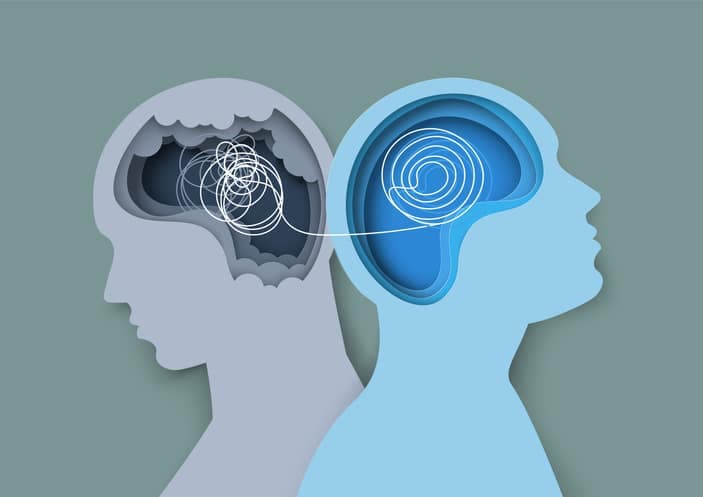
Neurobiological Synchrony and Group Psychotherapy: A Potential Path Forward for Group Process and Outcomes Research
A Potential Path Forward for Group Process and Outcomes Research Recent research on therapist-patient neurobiological synchrony in individual psychotherapy has suggested a potential connection between biological synchrony and therapeutic change mechanisms (Zilcha-Mano et al., 2021). This type of burgeoning research is an exciting step forward in psychotherapy process and outcomes research, given the extent to […]

Kelly Gleischman, MA + 1 more
December 3, 2024

Fostering Engagement During Termination
Abstract Therapists often struggle to determine the most important things to focus on during termination. Reviewing the treatment, identifying plans for the future, summarizing positive gains, and saying goodbye receive the most attention. Despite our best intentions, termination can end up becoming intellectualized. Attachment theory and recent developments in neuroscience offer us a road map […]
Cheri L. Marmarosh, Ph.D., ABPP, CGP
March 12, 2017

Working with Transfer Clients
It is ironic that while most therapists champion the role of the therapeutic relationship in the success of therapy, there has been little research on how the transfer process and prior therapy relationships may have an impact on the therapeutic relationship. Clients are often transferred from one therapist to another in clinics when therapists-in-training leave […]

Barbara J. Thompson, Ph.D. + 1 more
December 31, 2016

Fostering New Relational Experience
Abstract One of the most critical goals for couple psychotherapy is to foster a new relational experience in the session where the couple feels safe enough to reveal more vulnerable emotions and to explore their defensive withdrawal, aggressive attacking, or blaming. The lived intimate experience in the session offers the couple an opportunity to gain […]
Cheri L. Marmarosh, Ph.D., ABPP, CGP
June 7, 2014