
Neurobiological Synchrony and Group Psychotherapy: A Potential Path Forward for Group Process and Outcomes Research


Kelly Gleischman, MA & Cheri L. Marmarosh, Ph.D., ABPP, CGP
December 3, 2024
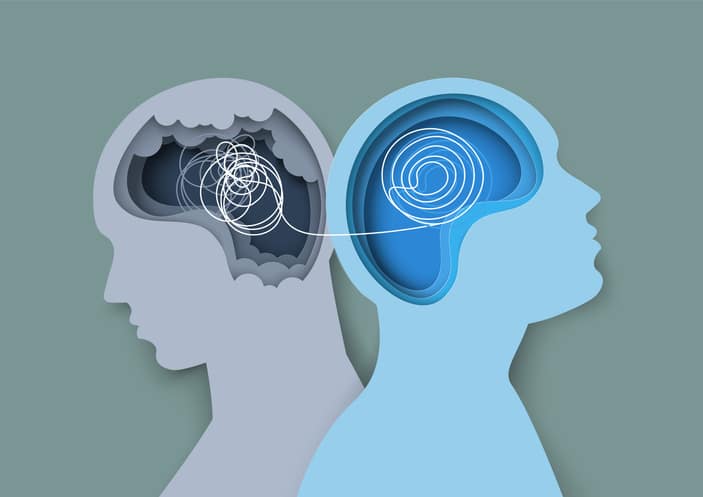
A Potential Path Forward for Group Process and Outcomes Research
Recent research on therapist-patient neurobiological synchrony in individual psychotherapy has suggested a potential connection between biological synchrony and therapeutic change mechanisms (Zilcha-Mano et al., 2021). This type of burgeoning research is an exciting step forward in psychotherapy process and outcomes research, given the extent to which other forms of nonverbal synchrony have been shown to be associated with treatment outcomes (Ramseyer & Tschacher, 2011; Reinecke et al., 2022). Neurobiological research in psychotherapy offers the potential to shed light on possible biomarkers underlying effective psychotherapy processes. It also provides an opportunity to paint a more specific portrait of the application of attachment theory to psychotherapy processes and outcomes.
Forms of nonverbal interpersonal synchrony has been studied within individual (Ramseyer & Tschacher, 2011; Reinecke et al., 2022) and couples psychotherapy contexts (Nyman-Salonen et al., 2021) and new research is emerging on patient-therapist neurobiological synchrony. Research focused on neurobiological interpersonal synchrony within group psychotherapy processes, however, is much more limited. This article provides a brief overview of the connection between attachment theory and interpersonal synchrony and the application of attachment theory to group psychotherapy. It also presents a short summary of recent neurobiological synchrony research in individual therapy contexts and explores the implications of nonverbal interpersonal synchrony research on factors underlying positive outcomes in group therapy. More specifically, this article suggests a need for further research on member-member and member-therapist neurobiological synchrony and potential associations with therapeutic factors underlying effective group psychotherapy.
Attachment Theory from a Neurobiological Perspective
Attachment theory, developed by John Bowlby in the 1980s, posits that attachment is a primary behavioral system that evolved to increase infant survival (Bowlby, 1988). At its core, attachment theory proposes that early attachment experiences with primary caregivers have a profound impact on psychosocial functioning. Despite being met with opposition at the time, Bowlby’s work has been significantly expanded upon in subsequent decades. In a further exploration of attachment, Mary Ainsworth (1978) designed the Strange Situation study to examine attachment behavior in relation to exploration of surrounding environment, assessing the extent to which an infant views a parent as a secure base from which to explore the surrounding world (including a view of the parental figure as a source of comfort during distress). Her work ultimately differentiated between categories of attachment patterns, which are still utilized in attachment research and practice today (Ainsworth et al., 1978). Since Ainsworth’s study, additional research has focused on the development of attachment patterns in infancy through the study of parent-infant interactions. Beebe and colleagues (2010) have examined mother-infant face-to-face-communication processes, including how mother and infant jointly regulate attention, affect, spatial orientation, and touch. An analysis of mother-infant joint regulation behavior at 4-months of age illuminated communication processes that predicted attachment patterns at 12-months, particularly within the resistant and disorganized categories (Beebe et al., 2010).
Attachment theory essentially posits that early attachment experiences impact the development of the nervous system and ultimately one’s psychological functioning in both childhood and adulthood (Black, 2019). Advances in cognitive neuroscience have the potential to provide a window into the neurobiological aspects of attachment, particularly in terms of the mechanisms underlying interpersonal synchrony. One such finding, initially discovered in macaque monkeys in the 1980s, has involved the mirror neuron system. This system is comprised of a class of neurons that fire both when an individual performs a motor activity and when that individual observes another performing the same or similar type of activity (Iacoboni, 2008). The mirror neuron system is thought to be a biological mechanism underlying early development, particularly in terms of how an infant learns to relate to others. While research on the mirror neuron system has been ongoing, there have been “remarkably few studies that investigated the relation between neural mirror activity and interpersonal understanding” (Anders et al., 2020, p. 211). Thus, despite assumptions that the mirror neuron system likely plays an important role in interpersonal functioning, more research is needed to better understand the specific ways in which neuronal mirror activity might facilitate stronger levels of interpersonal understanding, as well as how the mirror neuron system plays a role in the development of attachment patterns in infancy. Such studies would likely have implications for how attachment theory is applied within clinical practice in psychotherapy settings.
Attachment theory is often utilized in the study of psychotherapy process and outcomes, with Bowlby himself initially proposing that the therapeutic relationship between patient and therapist can serve to replicate a primary attachment relationship, allowing a patient to utilize the therapist as a secure base from which to explore insecure attachment patterns that originated in early development (Bowlby, 1969). While attachment styles are often thought to be relatively stable across the lifespan, studies have shown that attachment patterns can shift as a result of both positive and negative life events (Bakermans-Kranenburg & van Ijzendoorn, 2009). This includes the result of engaging in psychotherapy, a finding that holds significant implications for clinical practice (Tasca, 2014). Multiple studies have assessed the relationship between attachment and psychotherapy outcomes, including a meta-analysis that found lower attachment anxiety and higher attachment security predicted stronger therapeutic outcomes (Levy et al., 2011). These findings contribute to a deeper understanding of the importance of the therapeutic alliance, a therapeutic factor generally shown to be more predictive of positive outcomes in psychotherapy than any other factor, including therapeutic modality (Bourke et al., 2021; Del Re et al., 2012; Howard et al., 2022; Kaiser et al., 2021; Murphy & Hutton, 2018).
The Application of Attachment Theory to Group Psychotherapy
The application of attachment theory to group psychotherapy research and practice has emerged over the last several decades (Marmarosh, 2017; Marmarosh et al., 2013). Among many others, Fonagy and colleagues’ (2017) study of epistemic trust and mentalization, Whittingham’s (2018) integration of interpersonal theory and attachment theory within the group therapy context, and Flores’ (2010) work on neuroplasticity and group psychotherapy have all provided significant contributions to the application of attachment theory to the study of group psychotherapy process and outcomes. Importantly, the study of group psychotherapy processes and outcomes from an attachment lens has revealed associations between group member attachment style and treatment outcomes (Tasca et al., 2006), as well as insights into underlying therapeutic factors such as group cohesion.
Irvin Yalom initially identified group cohesion as a primary therapeutic factor in effective group therapy (Yalom & Leszcz, 2005) and subsequent studies have found that stronger group cohesion is associated with reduced attrition and higher levels of symptom improvement (Burlingame et al., 2011). Group cohesion can be understood from an attachment lens as “the client’s experience of the group and/or therapist as a secure base from which to explore new internal models of self and other and to try new and more adaptive interpersonal behaviors” (Tasca, 2014, p. 54). While group cohesion has been demonstrated to be a key therapeutic factor underlying effective group psychotherapy, less research has been done to study group cohesion from a neurobiological standpoint, despite potential implications for clinical practice. Neuroscientific advances and, most importantly, the integration of such techniques into several clinical facilities have enabled researchers to study the application of attachment theory more effectively. This includes an increase in the utilization of neurological hyper-scanning as well as the ability to measure therapist-patient hormonal levels pre- and post-treatment. For example, in what appeared to be the first study to utilize fNIRS-hyperscanning to study inter-brain synchrony between counselors and patients, Zhang and colleagues found stronger working alliances and increased inter-brain synchrony in the temporo-parietal junction (rTPJ) between therapists and patients during psychological counseling, as compared to chatting (Zhang et al., 2018). The increased utilization of such techniques could pave a pathway for future research on mechanisms underlying group process and outcomes, with potentially significant clinical implications.
Neurobiological Interpersonal Synchrony in Psychotherapy
Studying interpersonal synchrony from an attachment-oriented, neurobiological perspective has the potential to provide us with a more nuanced understanding of the nature of the therapeutic alliance. To date, nonverbal patient-therapist interpersonal synchrony has primarily been studied from a motor and physiological perspective within individual therapy contexts (Atzil-Slonim et al., 2023; Gernert et al., 2023; Reinecke et al., 2022). However, researchers have begun to study patient-therapist interpersonal synchrony from a neurobiological lens within the last several years. In what appeared to be the first study to examine hormonal synchrony between therapist and patient, Zilcha-Mano et al. (2021) examined oxytocin (OT) synchrony between therapists and patients in psychotherapy treatment for depression, finding that “OT synchrony between therapist and patient may be a biological mechanism by which impaired interpersonal functioning undermines treatment outcome” (p. 49). Additional studies are needed to replicate the findings, particularly with larger sample sizes, but these results highlight the potential role of oxytocin as a biomarker for effective therapeutic processes. In another study looking at the psychotherapeutic relationship from a neurobiological standpoint, Levi and colleagues (2024) analyzed salivary cortisol levels in therapist-patient dyads, finding that patient cortisol levels pre-session predicted therapist cortisol levels post-session and that the strength of the therapeutic relationship moderates in-session cortisol changes. These findings highlight the complexity of the psychotherapy relationship and the extent to which the interactions between therapist and patient play out on a biological level.
Other recent neuroscientific research has shown that interpersonal brain synchronization (IBS) increased during psychotherapeutic engagement and that IBS is associated with the strength of the therapeutic alliance (Zhang et al., 2018). Koole and Tschacher’s Inter-Personal Synchrony (In-Sync) model sits in alignment with these findings; the theoretical model posits that patient-therapist synchrony strengthens the therapeutic alliance, and consequently, treatment outcomes (Koole & Tschacher, 2016). These types of early studies on interpersonal brain synchronization in psychotherapy present many potential clinical implications, including questions about the impact of fostering such synchrony not just on the therapeutic alliance but also within other interpersonal relationships. In a review of interbrain synchrony, Sened et al. (2022) “proposes that patient-therapist synchrony might directly increase patients’ ability to establish inter-brain synchrony in the future when interacting with their therapist, and ultimately, with other people” (pp. 1-2).
Neurobiological augmentation in psychotherapy continues to be an area of study with varying findings. One type of neurobiological augmentation that has received greater attention is oxytocin administration, with varying finding (Bartz et al., 2010; Bernaertz et al., 2017; Olff et al., 2010; Rockliff et al., 2011; Tzur Bitan et al., 2023). The mixed nature of the findings indicates the need for additional research on the impact of such neurobiological augmentation across patient populations. Tzur Bitan and colleagues’ (2023) recent research on the moderating role of personality on the effect of oxytocin administration in psychotherapy treatment demonstrates the complexity of such neurobiological research and treatment. Their findings indicate that oxytocin administration was associated with improvement in depression symptoms and suicidal ideation for patients low in openness and agreeableness, respectively. Additionally, oxytocin administration was associated with lower therapeutic alliance ratings for patients high in extraversion, low in neuroticism, and low in agreeableness (Tzur Bitan et al., 2023). These findings caused Tzur Bitan and colleagues (2023, p. 1) to note the potential “double-edged sword” that oxytocin may play in facilitating treatment outcomes, pointing to the need for additional research on how to best identify patient populations who may benefit from this type of neurobiological augmentation (p. 1).
Further studies on patient-therapist neurobiological synchrony and neurological augmentation are needed, particularly in terms of the association between patient-therapist neurobiological synchrony and attachment styles. Other studies have explored the relationship between oxytocin synchrony and attuned attachment interactions, including between caregiver and child (Feldman et al., 2013; Vittner et al., 2018) and between romantic partners (Algoe et al., 2017). Do associations exist between therapist/patient attachment style and patient-therapist neurobiological synchrony? Do associations exist between change in attachment styles across treatment (either within the therapist or patient) and neurobiological synchrony? Further study on the associations between attachment and neurobiological augmentation in psychotherapy are needed as well; while Tzur Bitan and colleagues did not find that attachment moderated the effect of oxytocin administration on treatment outcomes, other studies have found some type of moderation (Bernaertz et al., 2017). Additional studies in both patient-therapist neurobiological synchrony and neurobiological augmentation in psychotherapy ultimately have the potential to paint a more detailed picture of the mechanisms underlying therapeutic change, and the same is true for the study of group psychotherapy mechanisms.
Opportunities for Studying Neurobiological Synchrony in Group Psychotherapy
The emerging therapist-patient neurobiological synchrony research provides a path forward for a more precise examination of biological factors underlying group member-member and member-therapist synchrony and potential associations with group cohesion and overall treatment outcomes. In particular, the multi-party structure of a group therapy context provides a rich environment through which to study interpersonal synchrony, especially in light of group member and therapist attachment styles. Researchers could ask important questions such as: Do associations exist between member-member or member-therapist neurobiological synchrony and treatment outcomes? Is group cohesion associated with neurobiological synchrony, either between members or between the therapist and members? To what extent is attachment style associated with interpersonal synchrony in group contexts, either in motor movements, physiologically, or neurobiologically?
To date, research on nonverbal interpersonal synchrony in group psychotherapy contexts has primarily focused on motor synchrony (Kirschner & Tomasello, 2009; McNeill, 1995; Miles et al., 2010; Tarr et al., 2016; Vacharkulksemsuk & Fredrickson, 2012). A recent meta-analysis assessed the impact of synchrony on prosocial behavior, perceived social bonding, social cognition, and positive affect, finding that interpersonal motor synchrony is associated with all four dimensions (Mogan et al., 2017). Other forms of synchrony have also been examined in group contexts. Prior work on perceived emotional synchrony in collective action demonstrated associations between perceived emotional synchrony and levels of social support, endorsement of social values, and emotional reactions (Páez et al., 2015). Neuroscientific advances have allowed for the assessment of physiological synchrony in group as well. In a recent study on physiological and motor synchrony, Gordon et al. (2020) found both physiological and motor synchrony to be associated with individual experiences of group cohesion.
Despite more extensive research on motor synchrony (and to some degree, physiological synchrony), neurobiological synchrony in group contexts has been less studied. There is an ongoing opportunity for researchers to apply early learnings from studies assessing neurobiological synchrony in patient-therapist dyads to the study of groups. While empirical research has been more limited in this area, commentary on interpersonal neurobiology in group contexts has highlighted the potential for neuroscience to serve an important role in understanding group psychotherapy mechanisms. This includes the importance of investigating its potential clinical applications, such as providing an opportunity for greater psychoeducation for group members on brain processes underlying treatment efficacy, as well as the potential for more targeted therapeutic interventions (Badenoch & Gantt, 2013). In a recent editorial on interpersonal synchrony and network dynamics in social interactions, Müller, et al. (2022) highlighted the range of research that is currently being undertaken to better understand interpersonal synchrony in group. Such research includes the several hyper-scanning studies utilizing a range of methods such as electroencephalography, magnetoencephalography, functional magnetic resonance imaging, and functional near-infrared spectroscopy. Despite known limitations in cost, resource availability, sample size, and approval processes, assessing neurobiological synchrony within group psychotherapy contexts has the potential to shift how we conceive of the mechanisms underlying effective group therapy, with the potential to identify biomarkers underlying therapeutic change processes. Such work, while challenging, may hold significant implications for clinical practice. For example, a study utilizing hyper-scanning to examine interpersonal synchrony during various types of communication found that interpersonal creative tasks resulted in more “efficient interbrain states” (Wang et al., 2022, p. 1). Additional research in this area could help us determine whether certain types of therapies that are more creative in nature, such as psychodrama, table-top roleplaying therapy, music therapy, and art therapy, could support stronger interpersonal connections at a neurobiological level. From a clinical application standpoint, such research could support clinicians to better understand the types of therapies (and potentially interventions) that may facilitate various levels of interbrain synchrony.
Tags
About the Authors
Kelly Gleischman, MA
Kelly Gleischman serves as the Founder and Chief Executive Officer of KLG & Associates, a national consulting firm that focuses on all things people, from helping leaders create strong teams and cultures to creating systems for hiring, compensating, rewarding, and developing employees at every level. Prior to launching KLG & Associates, Kelly served as the Managing Partner (Chief Executive Officer) at EdFuel, a national talent management nonprofit focused on helping schools and nonprofits recruit and retain a talented and diverse staff. Prior to EdFuel, Kelly held roles in the education ecosystem that focused on charter authorizing, district partnerships, instructional leadership, and teaching. Kelly holds a Bachelor of Arts from Stanford University, a Master of Arts in Teaching from American University, and is currently a Doctoral Student in Clinical Psychology at The George Washington University. She splits her time between Washington D.C. and Austin, where you can often find her listening to psychology podcasts, writing, and exploring the local food scenes.
Cheri L. Marmarosh, Ph.D., ABPP, CGP
Cheri L. Marmarosh, Ph. D., is a Professor in the Professional Psychology Program at the George Washington University and a licensed psychologist who has been practicing in DC for over 30 years. She has published over 60 empirical and theoretical articles that focus on how group and individual psychotherapy facilitate change. Dr. Marmarosh is the lead author of two books, Attachment in Group Psychotherapy and Groups: Fostering a Culture of Change. She is the Editor of the book, Attachment in Group Psychotherapy, a monograph of manuscripts from the special edition the International Journal of Group Psychotherapy dedicated to attachment theory. She is a Fellow of Division 29 (Psychotherapy) and Division 49 (Group) of the APA. Dr. Marmarosh’s research applies attachment theory to understand the development of the psychotherapy relationship, and she has focused on how client and therapist attachments influence both the process and outcome of psychotherapy.
Citation
References
Ainsworth, M., Blehar, M., Waters, E., & Wall, S. (1978). Patterns of attachment: A psychological study of the strange situation. Hillsdale, NJ: Lawrence Erlbaum Associates.
Algoe, S. B., Kurtz, L. E., & Grewen, K. (2017). Oxytocin and Social Bonds: The Role of Oxytocin in Perceptions of Romantic Partners’ Bonding Behavior. Psychological Science, 28(12), 1763–1772. https://doi.org/10.1177/0956797617716922
Anders, S., Verrel, J., Haynes, J.-D., & Ethofer, T. (2020). Pseudo-hyperscanning shows common neural activity during face-to-face communication of affect to be associated with shared affective feelings but not with mere emotion recognition. Cortex, 131, 210–220. https://doi.org/10.1016/j.cortex.2020.06.015
Atzil-Slonim, D., Soma, C. S., Zhang, X., Paz, A., & Imel, Z. E. (2023). Facilitating dyadic synchrony in psychotherapy sessions: Systematic review and meta-analysis. Psychotherapy Research, 33(7), 898-917. https://doi.org/10.1080/10503307.2023.2191803
Badenoch, B., & Gantt, S. P. (Eds.). (2013). The interpersonal neurobiology of group psychotherapy and group process. Taylor & Francis Group.
Bakermans-Kranenburg, M. J., & van Ijzendoorn, M. H. (2009). The first 10,000 adult
attachment interviews: Distributions of adult attachment representations in clinical and non-clinical groups. Attachment & Human Development, 11(3), 223-263. https://doi.org/10.1080/14616730902814762
Bartz, J. A., Zaki, J., Bolger, N., Hollander, E., Ludwig, N. N., Kolevzon, A., & Ochsner, K. N. (2010). Oxytocin Selectively Improves Empathic Accuracy. Psychological Science, 21(10), 1426–1428. https://doi.org/10.1177/0956797610383439
Beebe, B., Jaffe, J., Markese, S., Buck, K., Chen, H., Cohen, P., Bahrick, L., Andrews, H., & Feldstein, S. (2010). The origins of 12-month attachment: A microanalysis of 4-month mother–infant interaction. Attachment & Human Development, 12(1), 3–141. https://doi.org/10.1080/14616730903338985
Bernaerts, S., Prinsen, J., Berra, E., Bosmans, G., Steyaert, J., & Alaerts, K. (2017). Long-term oxytocin administration enhances the experience of attachment. Psychoneuroendocrinology, 78, 1–9. https://doi.org/10.1016/j.psyneuen.2017.01.010
Black, A. E. (2019). Treating insecure attachment in group therapy: Attachment theory meets modern psychoanalytic technique. International Journal of Group Psychotherapy, 69(3), 259-286. https://doi.org/10.1080/00207284.2019.1588073
Bourke, E., Barker, C., & Fornells‐Ambrojo, M. (2021). Systematic review and meta‐analysis of therapeutic alliance, engagement, and outcome in psychological therapies for psychosis. Psychology and Psychotherapy, 94(3), 822-853. doi:10.1111/papt.12330
Bowlby, J. (1988). A secure base: Parent-child attachment and healthy human development. Basic Books.
Bowlby, J. (1969). Attachment and loss. Basic Books.
Burlingame, G. M., McClendon, D. T., & Alonso, J. (2011). Cohesion in group therapy. Psychotherapy, 48(1), 34-42. https://doi.org/10.1037/a0022063
Del Re, A., Flückiger, C., Horvath, A. O., Symonds, D., & Wampold, B. E. (2012). Therapist effects in the therapeutic alliance–outcome relationship: A restricted-maximum likelihood meta-analysis. Clinical Psychology Review, 32(7), 642–649. https://doi.org/10.1016/j.cpr.2012.07.002
Feldman, R., Gordon, I., Influs, M., Gutbir, T., & Ebstein, R. P. (2013). Parental oxytocin and early caregiving jointly shape children’s oxytocin response and social reciprocity. Neuropsychopharmacology, 38(7), 1154–1162. https://doi.org/10.1038/npp.2013.22
Flores, P. J. (2010). Group psychotherapy and neuro-plasticity: An attachment theory perspective. International Journal of Group Psychotherapy, 60(4), 546-570. https://doi.org/10.1521/ijgp.2010.60.4.546
Fonagy, P., Campbell, C., & Bateman, A. (2017). Mentalizing, attachment, and epistemic trust in group therapy. International Journal of Group Psychotherapy, 67(2), 176-201. https://doi.org/10.4324/9781351010818-3
Gernert, C. C., Nelson, A., Falkai, P., & Falter-Wagner, C. M. (2023). Synchrony in psychotherapy: High physiological positive concordance predicts symptom reduction and negative concordance predicts symptom aggravation. International Journal of Methods in Psychiatric Research, 33(1). https://doi.org/10.1002/mpr.1978
Gordon, I., Gilboa, A., Cohen, S., Milstein, N., Haimovich, N., Pinhasi, S., & Siegman, S.(2020). Physiological and behavioral synchrony predict group cohesion and performance. Scientific Reports, 10(1). https://doi.org/10.1038/s41598-020-65670-1
Howard, R., Berry, K., & Haddock, G. (2022). Therapeutic alliance in psychological therapy for posttraumatic stress disorder: A systematic review and meta‐analysis. Clinical Psychology and Psychotherapy, 29(2), 373–399. https://doi.org/10.1002/cpp.2642
Iacoboni, M. (2008). Mirroring people: The new science of how we connect with others (1st ed.). Farrar, Straus and Giroux.
Kaiser, J., Hanschmidt, F., & Kersting, A. (2021). The association between therapeutic alliance and outcome in internet-based psychological interventions: A meta-analysis. Computers in Human Behavior, 114. https://doi.org/10.1016/j.chb.2020.106512
Kirschner, S., & Tomasello, M. (2009). Joint drumming: Social context facilitates synchronization in preschool children. Journal of Experimental Child Psychology, 102(3), 299-314. https://doi.org/10.1016/j.jecp.2008.07.005
Koole, S. L., & Tschacher, W. (2016). Synchrony in psychotherapy: A review and an integrative framework for the therapeutic alliance. Frontiers in Psychology, 7, 862. https://doi.org/10.3389/fpsyg.2016.00862
Levi, E., Peysachov, G., Admon, R., & Zilcha-Mano, S. (2024). Cortisol interdependence during psychotherapy in major depressive disorder. Psychoneuroendocrinology, 163, 106983–106983. https://doi.org/10.1016/j.psyneuen.2024.106983
Levy, K. N., Ellison, W. D., Scott, L. N., & Bernecker, S. L. (2011). Attachment Style. In J. C. Norcross (Ed.), Psychotherapy Relationships That Work: Evidence-Based Responsiveness (2nd ed., pp. 377-401). Oxford Academic.
Marmarosh, C. L. (2017). Attachment in group psychotherapy: Bridging theories, research, and clinical techniques. International Journal of Group Psychotherapy, 67(2), 157-160. https://doi.org/10.1080/00207284.2016.1267573
Marmarosh, C. L., Markin, R. D., & Spiegel, E. B. (2013). Attachment in group psychotherapy (1st ed.). American Psychological Association.
McNeill, W. H. (1995). Keeping together in time: Dance and drill in human history. Harvard University Press.
Miles, L. K., Nind, L. K., Henderson, Z., & McCrae, C. N. (2010). Moving memories: Behavioral synchrony and memory for self and others. Journal of Experimental Social Psychology, 46(2), 457-460. https://doi.org/10.1016/j.jesp.2009.12.006
Mogan, R., Fischer, R., & Bulbulia, J. A. (2017). To be in synchrony or not? A meta-analysis of synchrony’s effects on behavior, perception, cognition and affect. Journal of Experimental Social Psychology, 72, 13-20. https://doi.org/10.1016/j.jesp.2017.03.009
Müller, V., Fairhurst, M. T., van Vugt, F. T., Keller, P. E., & Müller, M. F. (2022). Editorial: Interpersonal synchrony and network dynamics in social interaction. Frontiers in Human Neuroscience, 16. https://doi.org/10.3389/fnhum.2022.1095735
Murphy, R., & Hutton, P. (2018). Practitioner review: Therapist variability, patient‐reported therapeutic alliance, and clinical outcomes in adolescents undergoing mental health treatment – A systematic review and meta‐analysis. Journal of Child Psychology and Psychiatry, 59(1), 5-19. https://doi.org/10.1111/jcpp.12767
Nyman-Salonen, P., Tourunen, A., Kykyri, V.-L., Penttonen, M., Kaartinen, J., & Seikkula, J. (2021). Studying nonverbal synchrony in couple therapy – Observing implicit posture and movement synchrony. Contemporary Family Therapy, 43(1), 69-87. https://doi.org/10.1007/s10591-020-09555-5
Olff, M., Langeland, W., Witteveen, A., & Denys, D. (2010). A Psychobiological Rationale for Oxytocin in the Treatment of Posttraumatic Stress Disorder. CNS Spectrums, 15(8), 522–530. https://doi.org/10.1017/S109285290000047X
Páez, D., Rimé, B., Basabe, N., Wlodarczyk, A., & Zumeta, L. (2015). Psychosocial effects of perceived emotional synchrony in collective gatherings. Journal of Personality and Social Psychology, 108(5), 711-729. https://doi.org/10.1037/pspi0000014
Ramseyer, F., & Tschacher, W. (2011). Nonverbal synchrony in psychotherapy: Coordinated body movement reflects relationship quality and outcome. Journal of Consulting and Clinical Psychology, 79(3), 284-295. https://doi.org/10.1037/a0023419
Reinecke, K. C., Joraschky, P., & Lausberg, H. (2022). Hand movements that change during psychotherapy and their relation to therapeutic outcome: An analysis of individual and simultaneous movements. Psychotherapy Research, 32(1), 117-127. https://doi.org/10.1080/10503307.2021.1925989
Sened, H., Zilcha-Mano, S., & Shamay-Tsoory, S. (2022). Inter-brain plasticity as a biological mechanism of change in psychotherapy: A review and integrative model. Frontiers in Human Neuroscience, 16. https://doi.org/10.3389/fnhum.2022.955238
Tarr, B., Launay, J., & Dunbar, R. I. (2016). Silent disco: Dancing in synchrony leads to elevated pain thresholds and social closeness. Evolution and Human Behavior, 37(5), 343-349. https://doi.org/10.1016/j.evolhumbehav.2016.02.004
Tasca, G. A. (2014). Attachment and group psychotherapy: Introduction to a special section. Psychotherapy, 51(1), 53-56. https://doi.org/10.1037/a0033015
Tasca, G. A., Ritchie, K., Conrad, G., Balfour, L., Gayton, J., Lybanon, V., & Bissada, H. (2006). Attachment scales predict outcome in a randomized controlled trial of two group therapies for binge eating disorder: An aptitude by treatment interaction. Psychotherapy Research, 16(1), 106-121. https://doi.org/10.1080/10503300500090928
Tzur Bitan, D., Grossman-Giron, A., Sedoff, O., Zilcha-Mano, S., Nitzan, U., & Maoz, H. (2023). A double-edged hormone: The moderating role of personality and attachment on oxytocin’s treatment facilitation effect. Psychoneuroendocrinology, 151, 106074–106074. https://doi.org/10.1016/j.psyneuen.2023.106074
Vacharkulksemsuk, T., & Fredrickson, B. L. (2012). Strangers in sync: Achieving embodied rapport through shared movements. Journal of Experimental Social Psychology, 48(1), 399-402. https://doi.org/10.1016/j.jesp.2011.07.015
Vittner, D., McGrath, J., Robinson, J., Lawhon, G., Cusson, R., Eisenfeld, L., Walsh, S., Young, E., & Cong, X. (2018). Increase in Oxytocin From Skin-to-Skin Contact Enhances Development of Parent–Infant Relationship. Biological Research for Nursing, 20(1), 54–62. https://doi.org/10.1177/1099800417735633
Wang, X., Zhang, Y., He, Y., Lu, K., & Hao, N. (2022). Dynamic inter-brain networks correspond with specific communication behaviors: Using functional near-infrared spectroscopy hyperscanning during creative and non-creative communication. Frontiers in Human Neuroscience, 16, 907332–907332. https://doi.org/10.3389/fnhum.2022.907332
Whittingham, M. (2018). Interpersonal theory and group therapy: Validating the social microcosm. International Journal of Group Psychotherapy, 68(1), 93-98. https://doi.org/10.1080/00207284.2017.1375345
Yalom, I. D., & Leszcz, M. (2005). The theory and practice of group psychotherapy (5th ed.). Basic Books.
Zhang, Y., Tian, M., Hou, Y., Pan, Y., & Hu, Y. (2018). Interpersonal brain synchronization associated with working alliance during psychological counseling. Psychiatry Research. Neuroimaging, 282, 103–109. https://doi.org/10.1016/j.pscychresns.2018.09.007
Zilcha-Mano, S., Goldstein, P., Dolev-Amit, T., & Shamay-Tsoory, S. (2021). Oxytocin synchrony between patients and therapists as a mechanism underlying effective psychotherapy for depression. Journal of Consulting and Clinical Psychology, 89(1), 49-57. https://doi.org/10.1037/ccp0000619
Comments
Be the first to share your thoughts.
Leave a comment
Your email address will not be published. Comments are reviewed before they appear.