
Psychotherapy Process
Explore the dynamics and stages of the psychotherapy process, from the initial client assessment to the therapeutic interventions that promote healing. This section provides insights into the complexities of therapeutic relationships and strategies to enhance treatment effectiveness.
257 articles found

Comments on Doing Video Psychotherapy
It has been about two and a half years since the beginning of COVID, which mandated the suspension of in-person psychotherapy contact, forced the rapid closing of offices, and ushered in a mass migration to video psychotherapy. For some colleagues, the change has become permanent, as they have terminated their physical office leases and are […]

Steven J. Hendlin, Ph.D.
September 1, 2022

Involving Concerned Others in the Treatment of Suicidal Patients
Suicides occur from a congruence of many factors including the quality and amount of social support an individual receives. Fortunately, several treatments have strong support for their effectiveness in reducing suicide attempts including cognitive behavior therapy, dialectical behavior therapy, and the collaborative assessment and management of suicide among others (Calati & Courtet, 2016). Whatever intervention […]

Samuel Knapp, Ed.D., ABPP
September 1, 2022

Telehealth Training Considerations in a Community Healthcare Setting
Many articles have been written about the logistical transition to telehealth in training as a result of COVID-19 (Bell et al., 2020; Hames et al., 2020; Rosen, Glassman & Moreland, 2020; Perrin et al., 2020; Scharff, et al., 2020, Tarlow et al., 2020). Chenneville and Scwartz-Mette (2020) as well as Desai et al., (2020) write […]

Chelsea McIntosh, PsyD + 5 more
August 14, 2022

What Do Suicidal Patients Want from Their Psychotherapists?
Effective psychotherapies, including treatments for suicidal patients, rely heavily on relationship skills for their success (Norcross & Lambert, 2018). Unfortunately, many suicidal patients have reported that their providers have not always displayed those essential relationship qualities (e.g., Blanchard & Farber, 2020; Hom et al., 2020; Hom et al., 2021; Richards et al., 2019a; Richards et […]
Samuel Knapp, Ed.D., ABPP
July 31, 2022

Improving Results for Digital Therapeutics with Social Support
Research has shown that digital therapeutics (DTx) platforms using tools derived from therapies like Cognitive Behavioral Therapy (CBT) promote clinical change (Brown et al., 2020). Decades of research also demonstrate the importance of social supports and well as the relationship with the therapist in psychotherapy outcomes (Barker & Pistrang, 2002; Lindfors et al., 2019; Wampold […]

S. (Jeb) Brown, Ph.D. + 1 more
July 10, 2022
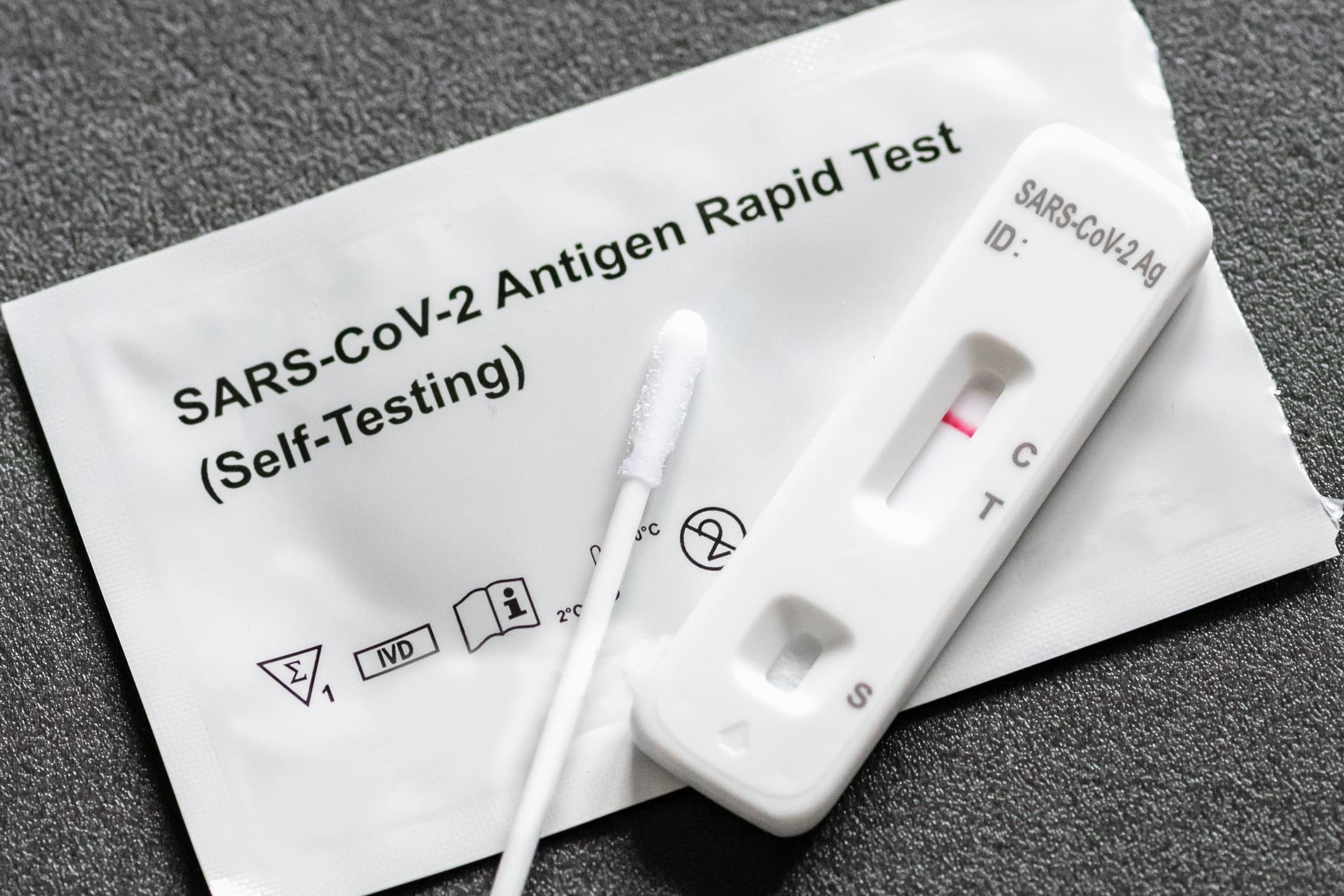
A Practice-Based Evidence Approach Pre, During, and Post COVID-19 During Psychotherapy
This article discusses the use of a digital assessment and tracking approach pre, during, and post COVID-19 to monitor changes in emotional stability, depression, anxiety, happiness, affect, life balance, beliefs, spiritual awakening, the working alliance, outcome, and helpfulness/benefits of psychotherapy. Using the online assessment systems developed by Pragmatic Tracker (PT) and Blueprint (BP), two clients […]

Philip H. Friedman, Ph.D.
June 26, 2022

Conceptualizing Epistemic Trust in Psychotherapy
Introduction In today’s rapidly changing social environment, people face the challenge of determining whom they can safely trust and who will lead them astray. Dealing with this challenge is crucial not only for individuals’ survival but also for their adaptation to social norms, habits, and the unstated rules of culture. However, people do not navigate […]

Shimrit Fisher + 2 more
June 1, 2022

A Synopsis of Treatments for Black Women Following Intimate Partner Violence
The purpose of this paper is to assist non-Black therapists address critical issues when treating Black women who have experienced intimate partner violence (IPV). This paper was written from a place of cultural humility in an effort to educate on how to provide culturally relevant treatment, rather than an attempt to speak for Black women. […]

Kaitlin Forestieri, PsyD + 1 more
June 1, 2022
Helping Psychotherapists Adopt Productive Responses to Suicidal Patients
The death of a patient by suicide is the professional event most feared by psychologists (Pope & Tabachnick, 1993). Fortunately, evidence has accumulated for the effectiveness of the Collaborative Assessment and Management of Suicidality, Dialectical Behavior Therapy, and Cognitive Behavior Therapy for the treatment of suicidal patients, although other interventions are promising as well (Calati […]
Samuel Knapp, Ed.D., ABPP
June 1, 2022

Athletes, Perfectionism, and Suicide
While sports can be an empowering opportunity for individuals to learn socialization, group cohesion, and other forms of prosocial skills, such as negotiation, courage, fairness, and work ethic, communities are starting to challenge the age-old adage of sports building good character (Sun & Tai, 2022). There has been an increase in stories reporting unethical behavior […]

Alexandra Simmons, PsyD + 1 more
May 29, 2022

Toward a New Eclectic Approach
Have you ever felt that your clients are not benefiting from your psychotherapy approach? If not yet, then be prepared to experience the inevitable “hopelessness” one day. It seems almost impossible that your approach, solely, is going to fit all the challenges which different clients will bring in the session. However, there might be a […]

Fitim Uka, PhD
May 16, 2022

Two Aspects Are Preventing Psychotherapy from Being More Effective
This article proposes that there are two aspects in the current mainstream view of how psychotherapy is understood that are preventing it from advancing as a science and being considerably more effective. One factor is that psychotherapy does not understand its subject matter. It is proposed that the client’s experiencing be recognized as the subject […]

Jeffrey Von Glahn, Ph.D.
April 17, 2022