
Assessment & Treatment
Focused on the critical aspects of assessment and treatment in psychotherapy, this section offers resources, guidelines, and discussions on effective diagnostic and therapeutic strategies to improve client outcomes.
280 articles found
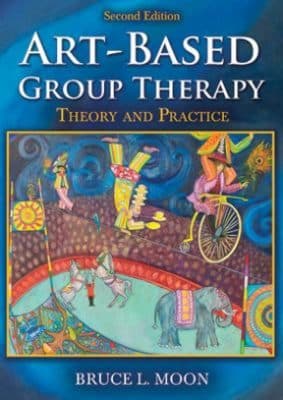
Becoming an Effective Art Therapist in the Group Format
Although the existing group art therapy literature focuses on identifying art therapy directives and describing the root of group psychotherapy as being geared toward verbal therapy (Liebmann, 2004; Steinbach, 2014), there has been a gap in the literature when it comes to describing the healing components of art in group work. The second edition of […]

Alexia C. Electris, Ph.D., L-CAT
December 31, 2016

A Bouquet of Experimental Designs in Psychotherapy Research
A Horse Race … Psychological treatments that are intended to be fully therapeutic and that are provided by trained professionals (bona fide psychotherapy; Wampold & Imel, 2015; Wampold et al., 2011) have been found to be effective compared to no-treatment and treatment-as-usual for individuals who suffer from a number of disorders, including anxiety and depression […]

Christine Wolfer, M.Sc. + 1 more
December 31, 2016

Expectations of Psychotherapy
It is well-documented that Millennials—(those born between 1980 and 2000 ± 5 years)—exhibit behaviors and attitudes that are distinct from previous generations (Fromm & Garton, 2013; Smith & Nichols, 2015). For example, compared to the Baby-Boomers constituting their parents’ generation—individuals born between 1946 and 1955 ± 5 years—Millennials are more likely to expect immediate results. […]

Jay Steinberg + 1 more
December 31, 2016

5 Ways to Implement Yoga in Psychotherapy
The benefits of cardiovascular exercise in improving physical and mental health have been known for several decades (e.g., Szbadi, 1988). More recently, the positive effects of yoga (a form of exercise that incorporates cardio) on disorders such as anxiety, depression, and other mental and physical conditions have been examined (e.g., Büssing, et al., 2012), particularly […]

Nicole Sciarrino, M.A., M.S. + 1 more
December 18, 2016

Effectiveness of Couple Therapy
Abstract Couple therapy outcomes tend to be judged by randomized controlled trial evidence, which comes primarily from the United States. United Kingdom and European outcome studies have tended to be naturalistic and there is a debate as to whether “laboratory” (RCT) studies are useful benchmarks for the outcomes of “clinic” (naturalistic) studies, not least because […]

David Hewison + 2 more
December 8, 2016

Financial Incentives for Therapy Attendance and Adherence
Premature termination in therapy occurs when a client discontinues therapy prior to recovering from his or her presenting concern and against clinician recommendation. Although research indicates that premature termination has decreased in recent years from 47% (Wierzbicki & Pakarik, 1993) to 20% (Swift & Greenberg, 2012), it still presents a major problem. The effectiveness of […]

Susannah Parkin, B.S.
November 21, 2016

Psychotherapy and Homelessness
An area of diversity often overlooked is socioeconomic status. Homeless clients are at an extreme end of the socioeconomic status continuum and present with concerns and stressors related to poverty. People often start psychotherapy due to a major stressor in their lives. Finally, after some apprehension, they make the initial leap to get help and […]

Astrea Greig, Psy.D.
November 15, 2016

Deliberate Practice for Early Career Psychotherapists
Domain Note: The Role of Deliberate Practice across the Professional Lifespan The Society for the Advancement of Psychotherapy Education and Training Committee is excited to be providing a series of articles on the role of deliberate practice (DP) in the development of highly effective psychotherapists. The initial article (Love, Davis, & Callahan, 2016) focused on […]

Tony Rousmaniere, Psy.D.
October 28, 2016

Ethical and Safety Considerations for Use of Animals in a Therapeutic Setting
Studies have demonstrated notable benefits of the use of Animal Assisted Therapy (AAT) with clients (Hart & Yamamoto, 2015; Nimer & Lundahl, 2007). As AAT gains in popularity and becomes more prominently used by psychologists and psychology trainees in mental health settings (Fine, Tedeschi, & Elvove, 2015), it is crucial that the American Psychological Association […]

Kirsten Allen, M.A. + 1 more
October 19, 2016

Psychotherapy Science
Since 1992, I have been exposed to psychotherapy research, either working on other researchers’ trials or as a principal investigator. Of the time-limited approaches to which I have been exposed, interpersonal psychotherapy (IPT) resonates with me as a therapist, a clinical supervisor, and a mentor. I have observed IPT meaningfully impact the lives of clients […]

Marian Tanofsky-Kraff
October 9, 2016

Steal This Metaphor!
Child therapy presents the unique opportunity for creativity amongst therapists and psychiatrists due to the limited knowledge children possess about the therapeutic process, emotions, medications, and a variety of other aspects of psychotherapy. It is a tremendous responsibility for a child’s therapist to utilize age-appropriate communication to educate a child regarding his or her diagnosis, […]

Jonathan Jenkins, Psy.D.
October 3, 2016

Measurement-Based Care and Patient-Centered Mental Health Care
In 2007, the Institute of Medicine (IOM) recommended that health care consumers be granted access to provider performance data to inform treatment decisions. Theoretically, access to performance data would encourage patients to compare individual clinicians and preferentially choose the best performing clinician in a particular area of need or geographic location. This recommendation relies on […]

James F. Boswell, Ph.D. + 1 more
September 25, 2016