
Diversity
Explore the importance of diversity in psychotherapy practice and research. This section covers topics related to cultural competence, inclusivity, and the ways in which diverse perspectives enhance the therapeutic process.
147 articles found

Microaggressions in Psychotherapy
Microaggressions have been linked to reductions in psychological and physical health (Sue, 2010). The term racial microaggression is a term first utilized by Pierce (1970) to describe the subtle, jarring, typically automatic or unconscious, verbal and nonverbal exchanges; often perceived as understated, insulting “put downs” directed at people of color. Sue et al. (2007) did […]

TaShara D. Williams, M.A. + 2 more
December 30, 2017

Navigating the Minefield of Politics in the Therapy Session
If, indeed, the personal is political and the political is personal, where does that leave psychotherapists—whose profession is intensely personal—when clients voice strong political views counter to ours or when their political stress resonates with our own sense of a rending of the civic and cultural fabric of the country? In the aftermath of one […]

Patricia T. Spangler, Ph.D. + 3 more
December 30, 2017

Meaningfulworld’s Response to Suffering in Armenia
The landscape of the world is becoming increasingly connected and globalized. It is difficult to exist, even in the United States (U.S.), without hearing about the events happening across the globe: hurricane in Puerto Rico, earthquake in Haiti, war in Syria, mudslides in Sierra Leone, to name a few. Many of us living and practicing […]

Daria Diakonova-Curtis, Ph.D. + 1 more
December 30, 2017

White Therapist Self-Disclosure in Multicultural Contexts
Within the conceptual literature, multicultural therapeutic approaches have long recognized therapist self-disclosure as a skill or even competency (Bitar, Kimball, Bermúdez, & Drew, 2014; Henretty & Levitt, 2010). Self-disclosure has been discussed as an intervention that may build trust and credibility in cross-cultural contexts (Constantine & Kwan, 2003; Henretty & Levitt, 2010). Disclosure may suggest […]

Graham Danzer, Psy.D.
October 24, 2017

Identifying Eating Disorders in Latinas
Research shows clinicians are less likely to recognize eating disorder pathology in racial and ethnic minority women than in White women, even after controlling for the severity of self-reported disordered-eating symptoms (Becker, Franko, Speck, & Herzog, 2003; Gordon, Brattole, Wingate, & Joiner, 2006). These findings indicate that the problematic and unsupported stereotype of ethnic minority […]

Maria Lauer, M.Ed.
October 24, 2017

Emotional Closeness in Arab American Families
Theoretical Background In individualistic Western cultures, the concept of enmeshment denotes that there can be too much loyalty and interdependence within a family; this idea intersects in challenging ways with the high degree of loyalty that is central to Arab family values. In varying cultural contexts, extreme togetherness may be preferred by family members as […]

Nour M. Abdelghani, M.A. + 1 more
October 22, 2017
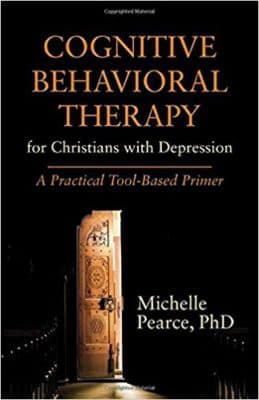
Incorporating the Role Religion Plays for a Client into Treatment
Cognitive Behavioral Therapy for Christians with Depression by Michelle Pearce, PhD is a phenomenal guide to treating religious clients suffering from a depressive episode. It not only provides an evidence based treatment model, but exemplifies the importance of compassion and respect for the client and their values and beliefs that they bring to therapy. Although […]

Tyler Hernandez, M.S.
October 15, 2017

“Two Versions of Me”
Since the mid-1900s, the United States has been the destination of choice for international students, and each year almost half a million international students enroll in American universities (Haynie, 2014). These students typically arrive with clear academic and professional goals, but they may not have considered what it will be like to be functioning in […]

Yu-ting Ching + 2 more
August 6, 2017

Where Do We Fit?
Considerable literature exists on the value of supporting first-generation college students (FGCS) since Billson and Terry (1982) coined the term, “first-generation college student” to describe students whose parents did not attend college. However, there is limited research on first-generation graduate students (FGGS), especially those in health service psychology programs. Motivated in part by the American […]

Amy C. King, M.A.
August 6, 2017

Not Too Young, Not Too Old, Just…
From as young as I can remember, adults were always asking me what I wanted to be when I was older. And being the future-thinker that I am, I always excitedly answered, “Rockette! Lawyer! Doctor!” until I found my calling as a psychologist at the ripe old age of 14. I could not wait to […]

Jaime Kaplan, Psy.D.
August 6, 2017

Psychoeducational Training, Mental Health Literacy, and Help-Seeking Among African American College Students
Background Information Prevalence of mental disorders among college students is comparable to that of non-students of the same age, and these disorders are increasing in number and severity (Blanco et al., 2008). Among African American college students, the underutilization of mental health services is especially prevalent. Adult African Americans are 10% more likely to report experiencing serious […]

Tanisha Pelham, M.S. + 2 more
August 6, 2017

Difficult Dialogues
Developed by the psychologist/priest Ignacio Martín–Baró, liberation psychology examines contexts of oppression to foster critical consciousness, emancipation, and transformative action. In this article I use a liberation tool—testimonio—first person narration that expresses psychosocial experiences as a protagonist/witness (Aron, 1992). For over 35 years I have incorporated liberation psychology into my psychotherapy practice. Although classically trained, I have long […]

Lillian Comas-Diaz, Ph.D.
August 6, 2017