
Diversity
Explore the importance of diversity in psychotherapy practice and research. This section covers topics related to cultural competence, inclusivity, and the ways in which diverse perspectives enhance the therapeutic process.
147 articles found

International Domain Report for Psychotherapy Bulletin
The International Domain established two new awards in 2018: (a) Distinguished Award for International Advancement of Psychotherapy, and (b) International Research Grant for Students and Early Career Professionals. The inaugural recipients of these awards are announced elsewhere in this Bulletin with other Society award winners. The second main activity of the domain was our continuation […]

Society for the Advancement of Psychotherapy
October 17, 2018

Disclosure and Concealment Among Court Involved Adolescents
From Freud to present, clinicians and researchers have consistently viewed honest disclosure as an essential component of a patient’s therapeutic process (Baumann & Hill, 2016; Farber, 2003). However, despite practitioners’ best efforts to emphasize the importance of honest dialogue, client concealment has been found to be a common occurrence (Baumann & Hill, 2016; Farber, 2003; […]

Daniel R. Samost, MA..
October 17, 2018

Board of Directors Statement on Diversity
The Society for the Advancement of Psychotherapy values and honors diversity (as defined in the APA ethics code) in its Board of Directors, Committee Chairs, committees, as well as in its membership. We work to create and maintain an inclusive environment that welcomes the perspectives and voices of all participants. We recognize the contributions of […]
Society for the Advancement of Psychotherapy
September 19, 2018

The Association Between Cultural Concealment and Psychotherapy Outcomes
In this article, Drinane, Owen, and Tao (2018) examined the concept of cultural concealment in psychotherapy, specifically whether cultural concealment predicted psychotherapy outcomes. Cultural concealment refers to the phenomenon of clients hiding aspects of their identity and culture related experiences in therapy. Clients may unconsciously or consciously avoid discussing their oppressed identities or identities that […]

Minnah W. Farook, M.A., Ed.S.
September 16, 2018

Using Cognitive Behavioral Therapy to Assist Individuals Facing Oppression
Many individuals in the U.S. experience oppression on the basis of their racial and/or ethnic identity, immigration status, socioeconomic status, disability, sexual orientation, gender identity, gender expression, religious identity, language, etc. (Benner & Wang, 2014; Corbett & Hill, 2012; Maira, 2004; Unks, 1995; M. S. Williams, 2000). Further, many individuals hold multiple marginalized identities that […]

Sannisha Dale, Ph.D., Ed.M. + 1 more
September 2, 2018

Practice Recommendations for Psychotherapy With Gender Diverse Clients
Recently, the population of people who identify as transgender or gender diverse has become more visible in U.S. society. Likewise, there have been calls by psychologists and counselors for more research and scholarship related to gender identity and issues that people who identify as gender diverse might face or present with in therapy. Psychotherapists have […]

Julie M. Koch, Ph.D. + 1 more
August 18, 2018

Choosing to Work for a Community Health Center
Like everyone else I worked hard to get to where I am today, so why decline an offer from a prestigious hospital with an academic appointment to work at a community health center? There are a number of reasons why someone may want to work for a community health center including interest in working with […]

Astrea Greig, Psy.D.
August 18, 2018
Investigating the Effectiveness of an Interpersonal Therapy Intervention for Mental Health Conditions in India
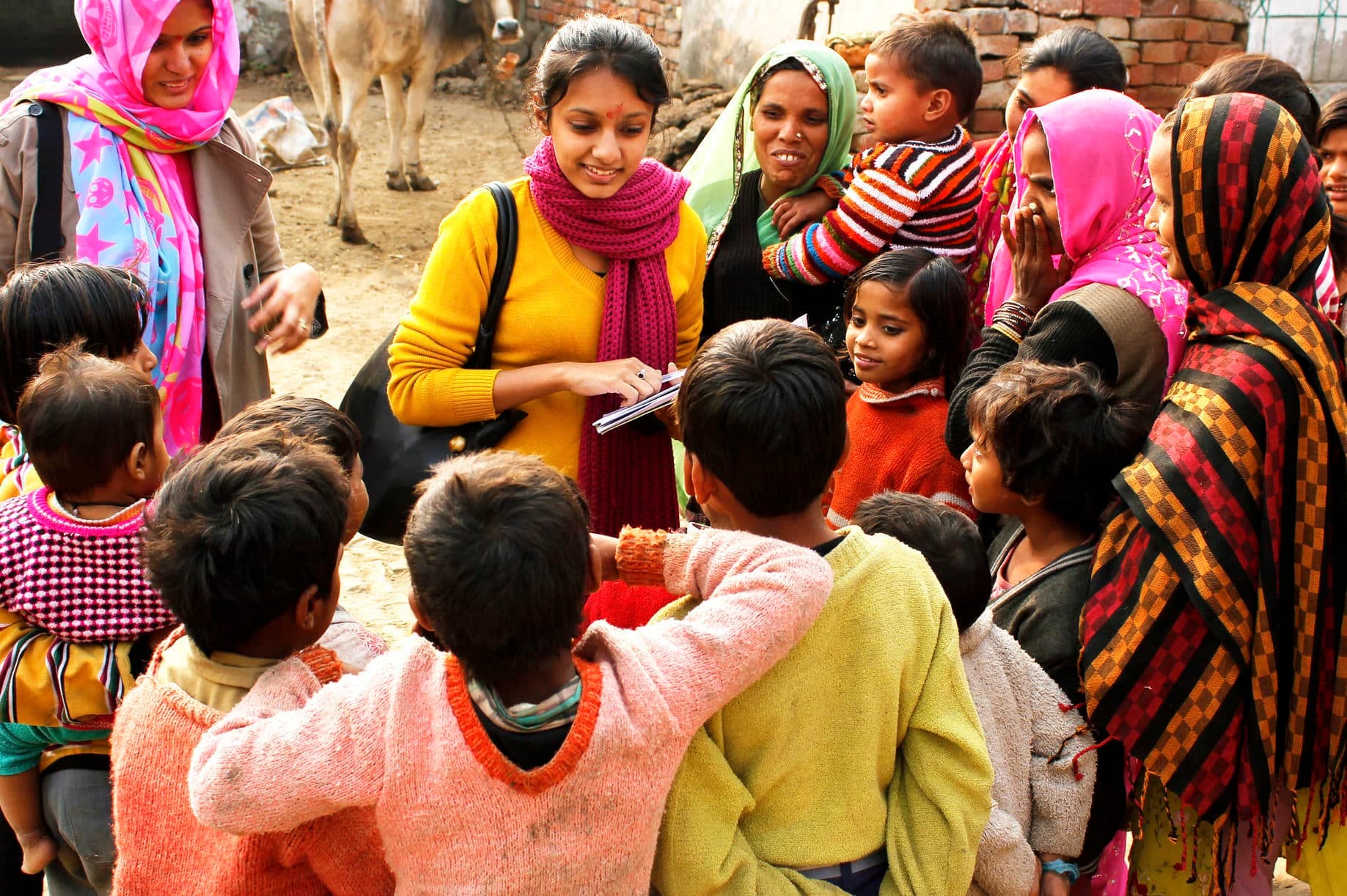
The authors of this article aimed to provide empirical support for an interpersonal therapy intervention for decreasing levels of depression and anxiety for adults in a specific resource-scarce community in India. The team of researchers in the study include members of Columbia University Teachers College Global Mental Health Lab, which investigates empirically supported treatments for […]

Daria Diakonova-Curtis, Ph.D.
July 22, 2018

Ethnic-Racial Socialization, Cultural Identity, and Perceived Stress Are Related to Mental and Physical Health in African Americans
Background Health disparities have been gaining attention in recent years (Centers for Disease Control and Prevention, 2013). Many health disparities have been related to social and cultural factors. The CDC has indicated that identifying population-specific precursors to health outcomes are necessary to reduce health disparities. To gain a comprehensive understanding of these disparities, racial socialization […]

Bianca Owens, M.S. + 1 more
May 4, 2018
Revisiting Dr. Martin Luther King, Jr.’s, Address
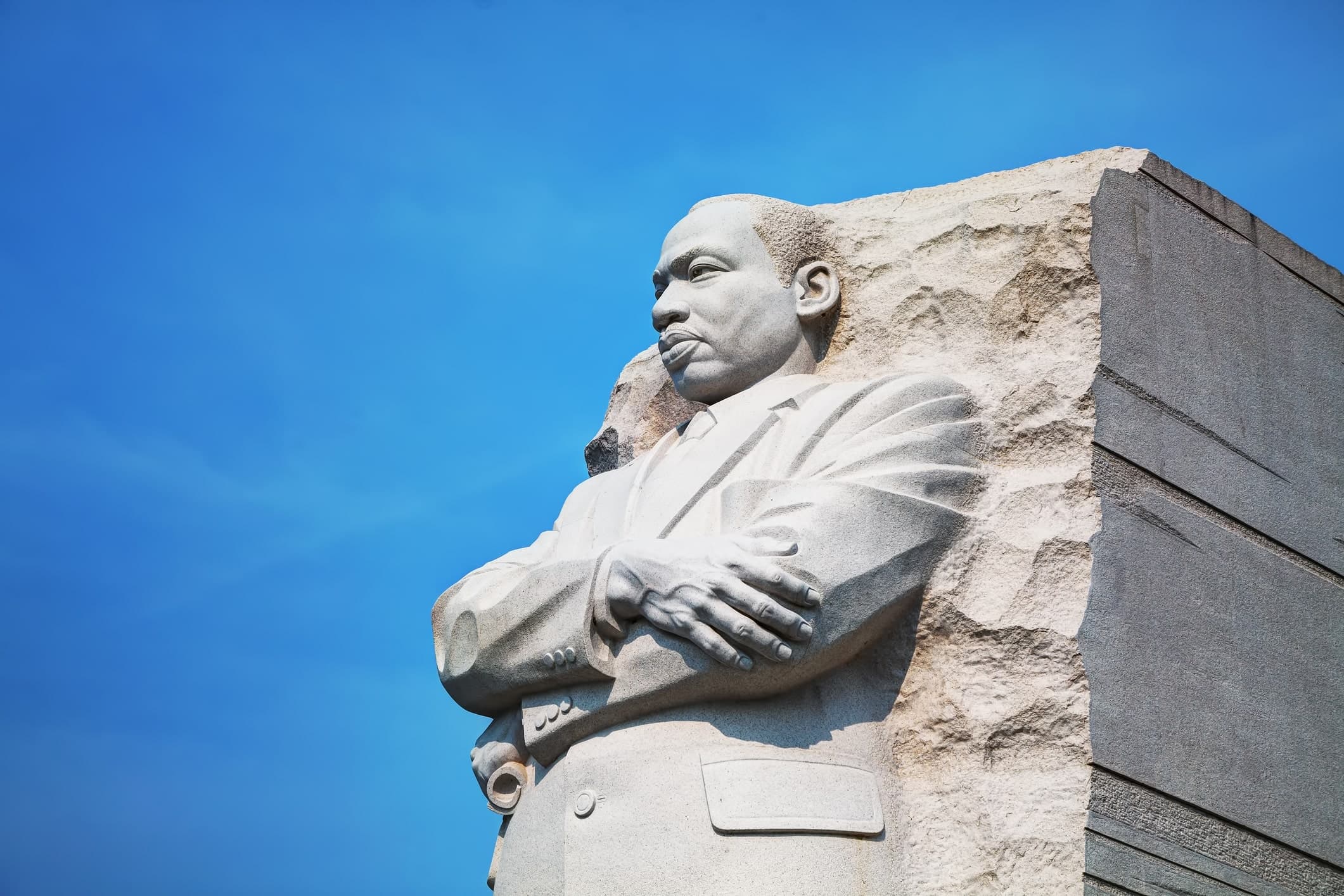
April 4, 2018, marked the 50th anniversary of the assassination of Dr. Martin Luther King, Jr., in Memphis, Tennessee. One of the nation’s most prominent civil rights advocates and leaders left a long-lasting impact on the world with his messages of civil disobedience and social change. His legacy prevails as society continues to strive towards […]

Apryl Alexander, Psy.D.
May 4, 2018

The Multicultural Orientation Framework
Abstract After several decades of slow progress, researchers are beginning to make advances in linking constructs based on the multicultural competencies tradition— especially those focused on qualities of the therapist—to therapy outcomes. The multicultural orientation framework was developed in response to several trends within the multicultural competencies tradition, with a particular emphasis on integrating the […]

Don E. Davis, Ph.D. + 8 more
March 27, 2018

Caucasian Therapist Self-Disclosure to Cultural Minority Clients
In offering further commentary to the article on Caucasian therapist self-disclosure to cultural minority populations, it is important to begin by more generally acknowledging both individual and between group differences. This is an important beginning because aspects of cultural competency are so often avoided as a larger subject through the statement ‘everyone is different.’ While […]

Graham Danzer, Psy.D.
March 11, 2018