
5 Essential Conference Survival Guidelines

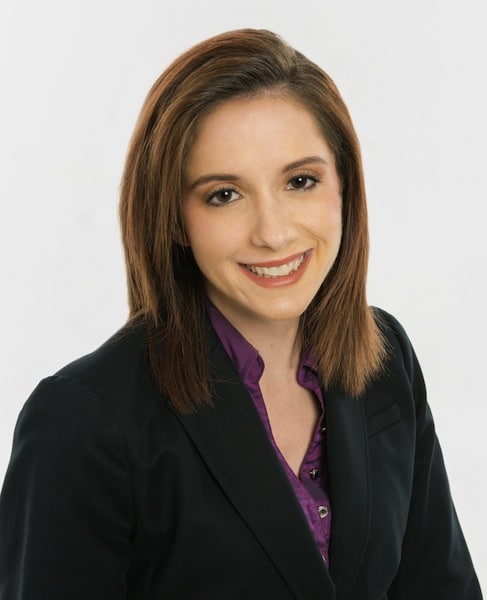
Elizabeth D. Kilmer, M.S. & Amy E. Ellis, Ph.D.
July 15, 2018

1. Start Small When Planning Your Itinerary
Conferences are packed full of events, and like a marathon, pacing is key. A little bit of planning can go a huge way! We recommend earmarking your top three events and moving from there. But how do you know which top three events to pick?
You may want to start by looking at division programming specifically as it will be streamlined towards your interests. Of course, we’re a bit partial to our SAP Programming, so check out the division’s programming here: https://societyforpsychotherapy.org/convention-programming-2018/
And here’s the full list of all programming for APA (we recommend searching by keyword or division) to get more relevant, and less overwhelming results: http://www.apa.org/convention/program-search.aspx
2. Bring a Bag
Aside from holding that great conference swag, pack essentials in an easy to carry bag. We recommend a reusable water bottle, pens, an umbrella, comfortable walking shoes, band-aids, snacks and a battery-operated phone charger.
3. Make the Most Out of Networking at Social Hours
Social hours can sometimes feel intimidating. First, know what to expect. Usually they’re held in a large open room with lots of space for mingling at high-top tables. Most social hours will have hors d’oeuvres but come early/on time to make sure you get your fill. Some divisions elect for cash bars, and some give tickets for a free drink or two.
Second, know how to make the most out of joining conversations. Social hours are literally built upon the idea of socializing and connecting, so don’t be shy. Walk up to a group and introduce yourself – let people know if you’re a new member, not a member but checking out SAP, or a long-time member. Share your interests, where you’re from, and what, if anything, you’re expecting out of attending (e.g., making connections, asking questions, finding out more about the division).
Third, you can follow either of Dr. Ellis’ two strategies for these types of events – hang by the food table and/or align yourself with other people who seem to be out of their element. It’s always better to approach a new situation with someone else!
Want more tips on networking? http://www.gradpsychblog.org/apa-convention-4-tips-to-help-you-prepare-for-networking/#.WzvZFlMvzdc
4. Look outside the conference
San Francisco is an awesome city! Take some time to recharge your brain by stepping outside the convention center for a few hours. This is another place where planning ahead can come in handy – pick out your top sightseeing goals, and plan them around those top conference events. And be sure to download a transportation application like Uber or Lyft, or check out the city’s local transportation system!
5. Check Out Poster Sessions
SAP has two poster sessions (a full listing of all our programming can be found here: https://societyforpsychotherapy.org/convention-programming-2018/
Poster sessions are a great way to meet folks doing research and clinical work in your particular area of interest. Authors are able to interact with the audience in a more personalized way that allows for great conversation and dialogue, and potentially, new networking opportunities. In fact, Dr. Ellis’ first first-author publication was a direct result of networking at a poster session! One of the Editors from a journal approached her and asked her to submit her poster in manuscript format.
About the Author
Amy E. Ellis, Ph.D.
Dr. Amy E. Ellis is an Assistant Professor and the Director of the Trauma Resolution & Integration Program (TRIP) at Nova Southeastern University. She provides training and consultation on the provision of trauma-informed affirmative care and treating complex clinical cases. She is also has a private practice with a clinical focus in treating trauma, eating disorders, and personality disorders, and a special niche focusing on trauma-informed affirmative care for the LGBTQ+ community. She is a Consulting Editor on three of APA’s journals and recently served as Guest Editor of APA Division 42’s journal Practice Innovations on a special issue focusing on the role of evidence-based relationship variables in psychotherapy with sexual and gender minority individuals. Her current clinical and research interests focus on underserved populations who have increased exposure and risk to trauma (i.e., men, LGBTQ+, racial and ethnic minorities), tailoring evidence-based trauma treatments to these populations, and training and supervision in the field of trauma. She is currently the co-Principal Investigator of a large national grant funded through the Patient Centered Outcomes Research Institute focusing on the effectiveness of a peer-delivered online motivational interviewing intervention for GBTQ+ men with histories of sexual trauma.
Citation
References
No references.
Comments
Be the first to share your thoughts.
Leave a comment
Your email address will not be published. Comments are reviewed before they appear.